Sizing Papers: Gum Arabic, Methyl Cellulose and Starch Compared
Sizing Papers: Gum Arabic, Methyl Cellulose and Starch Compared
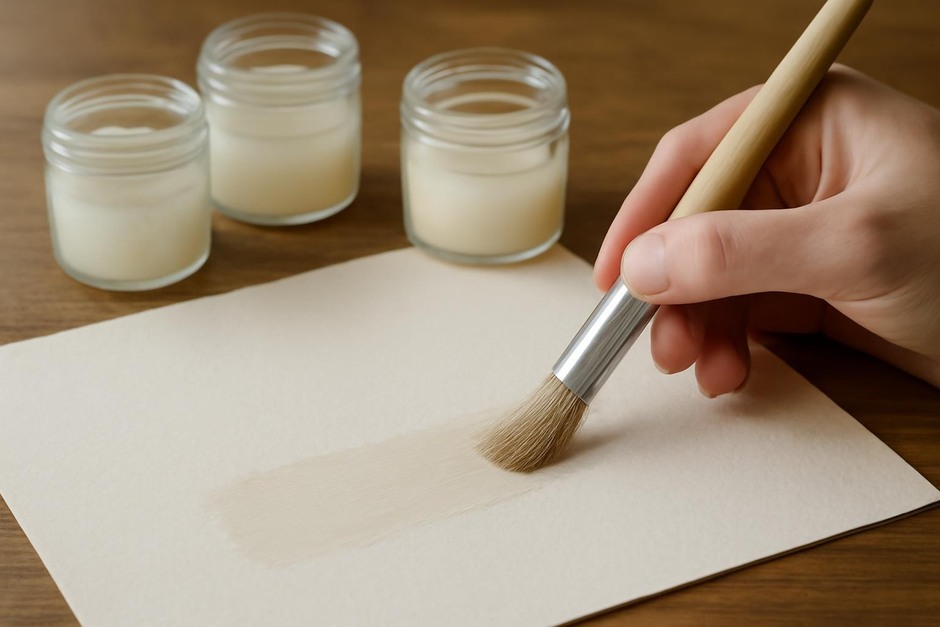
Surface sizing alters how paper receives water and pigment. This note records side-by-side tests of three common approaches: a light coat of gum arabic, a methyl cellulose size, and a thin starch wash. Each treatment changes absorbency, surface sheen, and how readily pigments lift. The comparisons are practical and limited; they are intended to guide further tests rather than make final claims.
Why size paper
Sizing reduces how quickly paper draws water into fibres. This affects edge control, glazing behaviour, and the ability to lift or rework pigments. Different sizings also change surface friction and sheen, which influences how dry media and wet washes interact.
Test setup
- Base paper: same cold-press 300gsm sheet, cut into four equal panels.
- Treatments: no size (control), diluted gum arabic, methyl cellulose solution, and thin cooked starch solution.
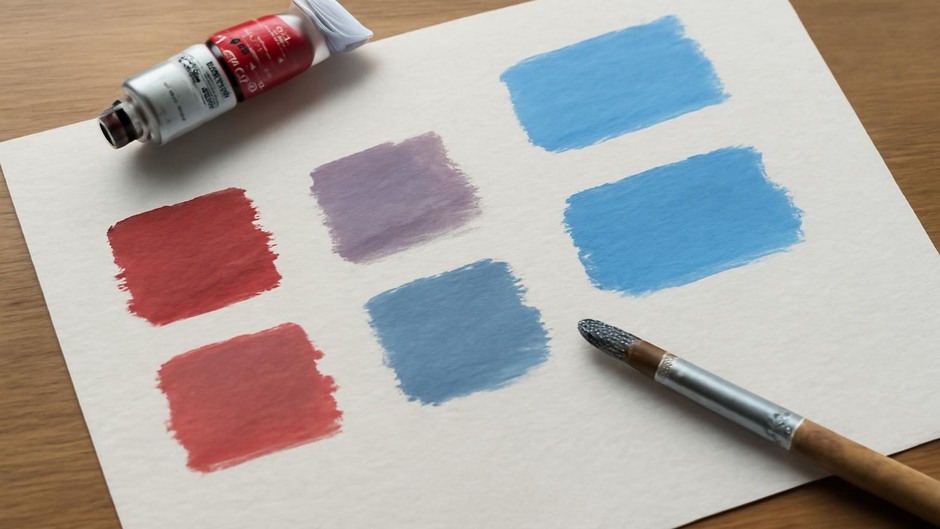
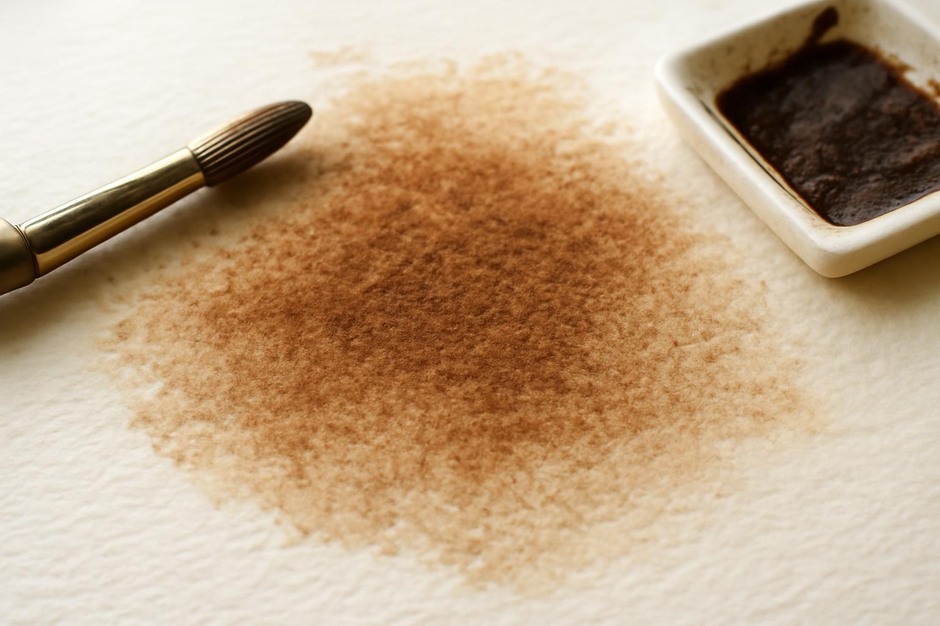
- Consistent washes of a staining blue and a granulating earth for comparison.
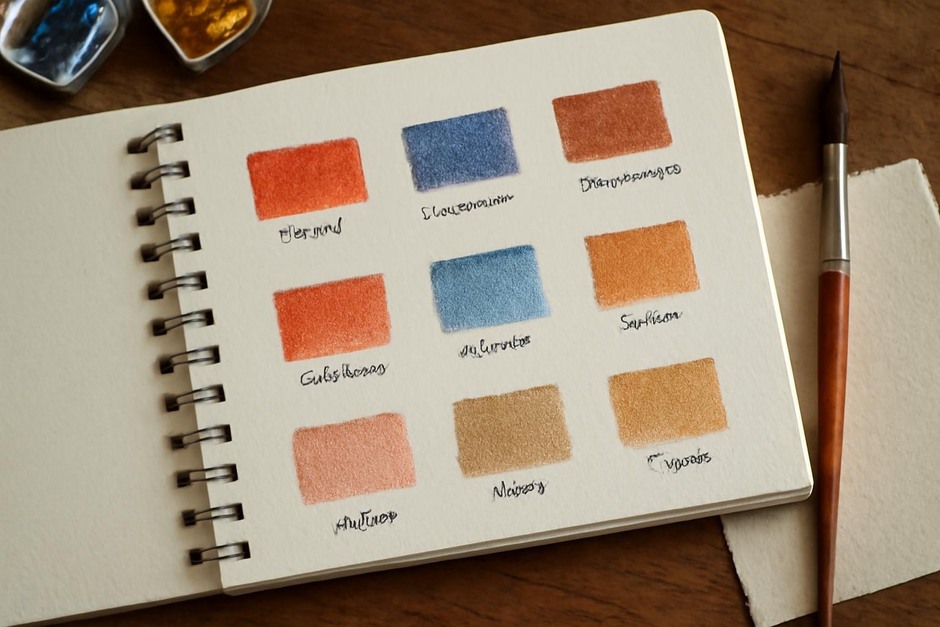
Each treated panel was allowed to cure for 24 hours under moderate conditions before testing. Tests included wet-into-wet edge behaviour, lifting with a damp brush, and the appearance of glazes.
Gum arabic
A light coat of gum arabic yielded a modest sheen and slowed initial absorption noticeably. Washes sat on the surface longer, reducing immediate feathering and allowing more time for careful gradation. Pigment lift was more effective than on the control, though highly staining pigments still left a faint trace. The slightly glazed surface encourages richer glazes but can feel more film-like to some brushes.
Methyl cellulose
Methyl cellulose sizing produced a matte surface with reduced absorbency. Washes spread evenly and maintained clean edges longer than the control. Lifting was generally successful for moderate staining pigments, and the surface accepted several reworks without significant degradation. The matte character preserves a sense of tooth while moderating wicking.
Starch
A thin starch wash produced results between the control and gum arabic. Absorbency decreased, but the surface remained more receptive to subtle texture than the gum-treated sheet. Starch left a faint, soft sheen that dissipated with time. Lifting was possible but less complete than on methyl cellulose; staining pigments still marked the fibres more readily than on the methyl cellulose treated panel.
Practical considerations
- Application consistency matters: uneven sizing yields irregular absorption and unexpected edge behaviour.
- Allow sizing to dry and cure fully; handling while tacky will produce marks and uneven response.
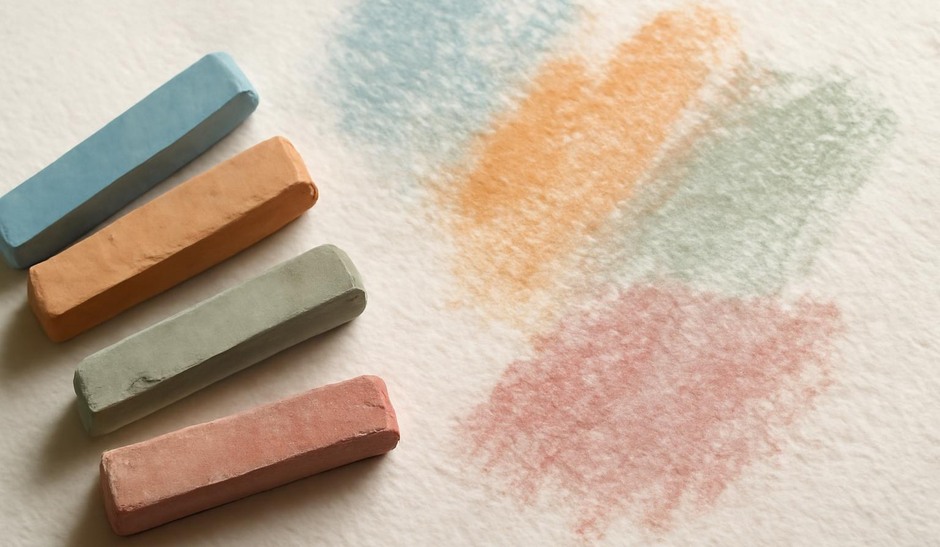
- Sizing can change how dry media behaves; pastels or pencil may sit differently on a glazed surface.
The simple trade-offs are familiar: gum arabic leans toward glazing richness and sheen, methyl cellulose toward matte control and reworkability, and starch toward a mild mediating effect. Which to use depends on your priorities in a given piece. Running these three modest tests with your own pigments and brushes will make the differences immediate and useful in practice.