Paper Tooth and Pastel Gesture: Supporting Colour with Texture
Paper Tooth and Pastel Gesture: Supporting Colour with Texture
This note examines the relationship between paper tooth and pastel gesture. A paper’s surface texture can either support quick, energetic mark-making or demand careful layering for subtle colour blends. Rather than advocating one paper for all uses, the tests compare how distinct textures shape colour, edge, and the feel of drawing.
Materials and approach
- Three papers: fine-grain sanded pastel paper, medium tooth watercolour paper, and a heavyweight laid paper.
- Soft pastels and harder pastel pencils for contrast.
- Tests: single-stroke gestures, layered colour blocks, and mixed media passages with a light water wash pre-sealed on one sample.
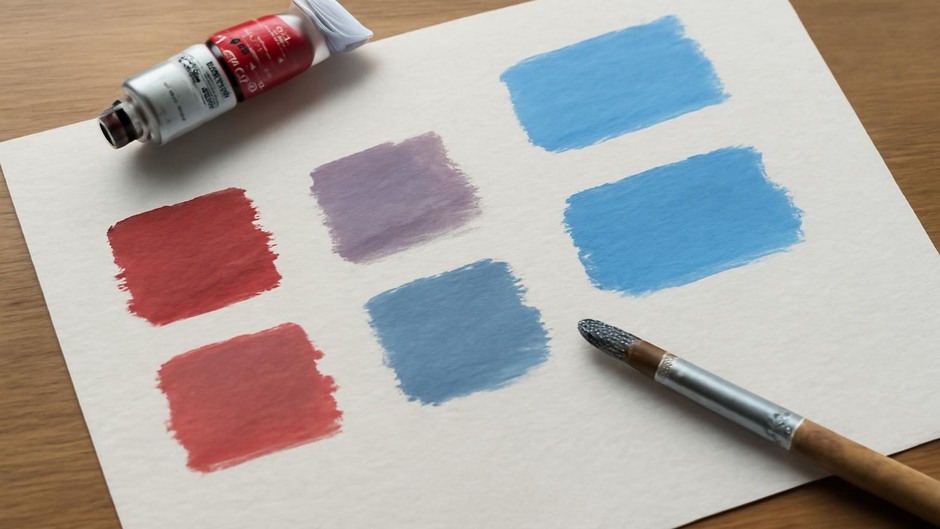
Each sample received a series of mark types: crisp linear strokes, broad side marks, and repeated layering to build chroma.
Sanded pastel paper
Sanded papers held pigment immediately and allowed intense colour saturation with few layers. The grain provided a toothy anchor for bold strokes and favoured rapid, decisive gestures. Blending with a finger or stump smudged pigment across the grit rather than into it, which can be desirable for bold, sculpted marks but less so for subtle transitions.
Medium tooth watercolour paper
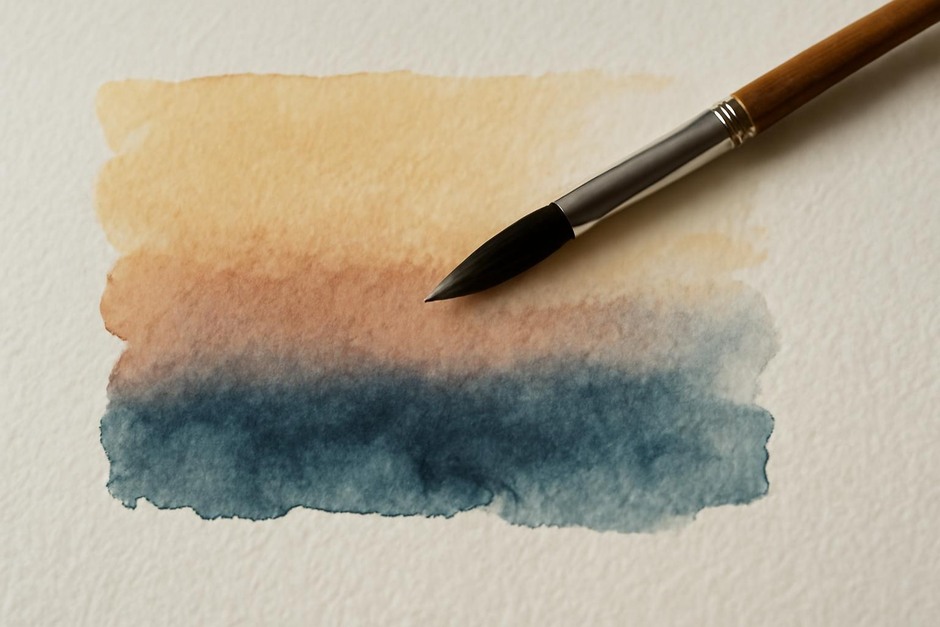
Watercolour paper accepted pastel more gently. The tooth caught enough pigment to build colour, but repeated layers were needed to approach the density possible on a sanded surface. The watercolour tooth offers versatility: it supports both soft edge work and distinct linear marks when using harder pastels or pencils.
Laid paper
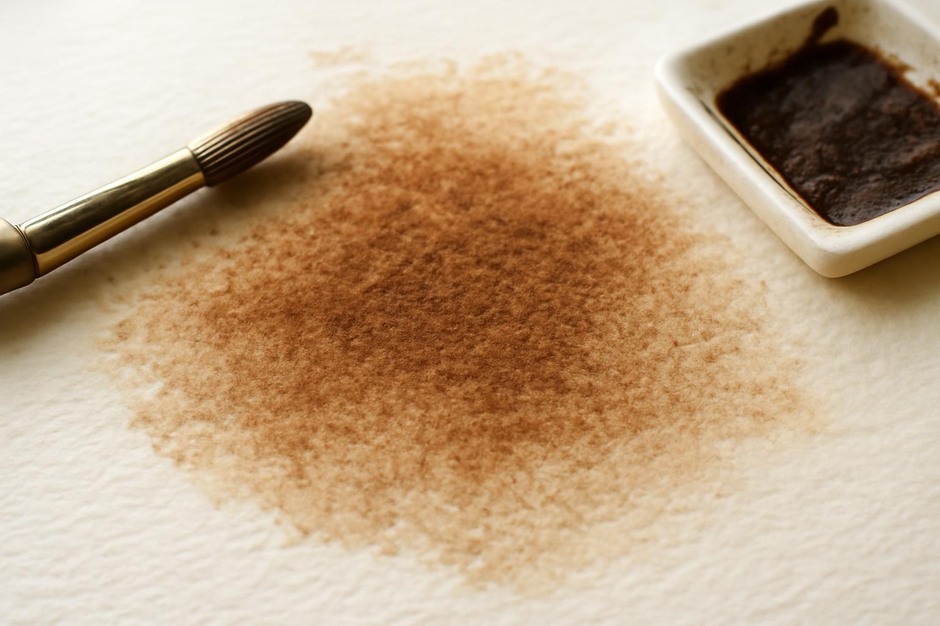
Laid paper produced a different quality: the linear texture picked up pigment in an oriented way and emphasized directionality. Broad gestures read as textured fields rather than smooth planes. For studies where the paper’s voice should be audible, laid sheets can be compelling.
Combining dry and wet marks
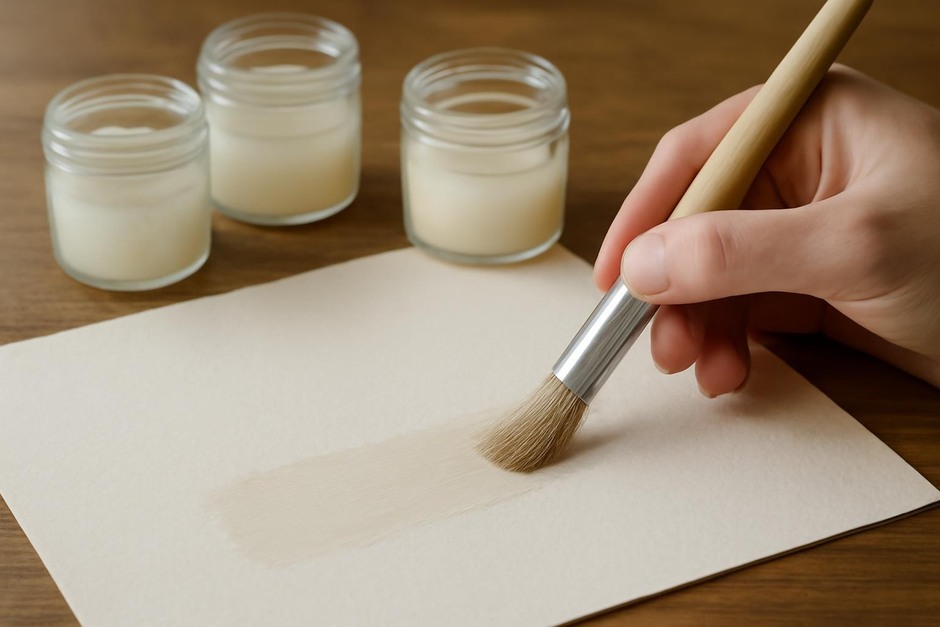
One sample was given a light pre-seal: a dilute methyl cellulose wash applied and allowed to dry. Pastels on that surface adhered differently; the seal reduced immediate absorption into fibres and permitted a slightly higher surface concentration. It also made blending with solvents less effective. If combining soft, painterly washes with pastel, accept that a seal changes both adhesion and blending behaviour.
Practical notes
- For quick, expressive studies where one or two strong colours are sufficient, sanded pastel paper offers an immediate, saturated response.
- For layered, luminous passages that may combine pastel with pencil or light washes, medium tooth watercolour paper provides flexibility.
- Laid paper is useful when you want the paper’s pattern to be a visible partner in the mark-making.
Paper tooth is not merely a technical detail; it participates in the gesture. Choosing a surface is choosing a collaborator. The best way to learn the particularities is to make a small series of identical studies on different papers and vary only one mark-making strategy at a time. That one-variable approach keeps the comparison clear.